Choosing Plumbing Solutions for Persistent Low Water Pressure
A weak shower does not automatically mean your home needs new pipes or a booster pump. Learn which checks isolate the cause, what repairs address each pattern and how to compare a plumber’s recommendations.
Persistent low water pressure needs plumbing solutions that address the cause, not just the symptom. A weak shower can come from a clogged showerhead, a failing pressure regulator, a hidden leak or restricted supply piping. Those problems require very different repairs.
Before approving a booster pump or repiping project, establish where the pressure drops and what happens when another fixture runs. For Chula Vista homeowners, that means combining a few safe observations with a plumber’s pressure and flow tests. The goal is a repair supported by evidence, not a sequence of expensive guesses.
Is the Problem Pressure, Flow or Both?
Pressure is the force available to move water. Flow is the volume delivered over time. A faucet can have adequate pressure behind it but deliver little water because its aerator is blocked. Conversely, an entire home can struggle because the incoming pressure is insufficient.
The distinction becomes clearer when another fixture opens. If a shower works reasonably well alone but weakens when someone starts the washing machine, the system may struggle to deliver enough water under demand.
Also note whether the problem appeared suddenly or developed gradually. A sudden change warrants checking for leaks, valve problems or utility work. A slow decline makes buildup and deteriorating piping worth investigating, although timing alone cannot establish the diagnosis.
Match Plumbing Solutions to the Symptom Pattern
Use the pattern below to narrow the inspection, not to authorize a repair without testing.
| What you notice | What to investigate first | Useful next step |
|---|---|---|
| One faucet or shower is weak | Aerator, showerhead, fixture valve or cartridge | Compare nearby fixtures and hot versus cold |
| Hot water is weak throughout the home | Water-heater connections, valves or hot-water piping | Compare hot and cold at several locations |
| Both hot and cold are weak everywhere | Main valve, regulator, leak or incoming supply | Measure static and flowing pressure |
| Pressure drops when another fixture runs | Restricted piping or insufficient supply capacity | Test under simultaneous demand |
| Several neighboring homes changed suddenly | Utility interruption or supply conditions | Contact the water provider |
Write down when the problem occurs and which fixtures are affected. “Both upstairs showers weaken when the washer fills” is much more useful than “the pressure is bad.”
When Only One Fixture Is Affected
Start with the accessible outlet. If the manufacturer’s instructions allow it, remove and clean the faucet aerator or showerhead. Compare performance before and afterward. Protect finishes and avoid forcing seized parts.
If cleaning does not help, the restriction could be in a cartridge, supply connector or fixture shutoff valve. An old shutoff can leak or break when disturbed, so leave stiff or corroded valves to a plumber.
For an isolated problem, the right plumbing solutions usually stay close to that fixture. A whole-house booster pump cannot clear a blocked cartridge and may create excessive pressure elsewhere. Also remember that a water-efficient fixture intentionally limits flow, so compare its performance with its rated output rather than an unrestricted outlet.
When Only Hot Water Is Weak
Check several fixtures before blaming the water heater. Weak hot water at one sink still points toward a local restriction. Weak hot water everywhere justifies checking the heater’s isolation valves, connections and the shared hot-water piping.
Scale can be relevant, particularly in tankless heat exchangers, but flushing or descaling is not a universal fix. A restricted connector, damaged valve or deteriorating pipe needs a different response.
Ask the plumber to explain what testing identifies the restriction. Our guide to water-heater service for hard-water conditions explains the difference between tank flushing and tankless descaling. Avoid opening heater drains or disconnecting piping as an exploratory DIY step, especially around hot water, gas connections or electrical equipment.
When the Whole Home Is Affected
Check whether your water provider has reported an interruption. Ask a nearby neighbor whether they noticed a similar change, but remember that neighboring homes can have different elevations, service lines and regulators.
Inside your property, a plumber should check the main shutoff, any pressure-reducing valve and accessible treatment equipment. A partly closed valve or restricted filter can affect every fixture downstream.
Whole-house plumbing solutions should follow those checks. Replacing interior pipes will not correct low pressure originating at the utility supply, while adjusting a regulator will not repair a leaking service line. In a condo, shared building piping and pressure equipment may require coordination with management before work starts.
Request Static and Flowing Pressure Tests
A single gauge reading is useful, but it is not a complete diagnosis. Ask for measurements under more than one operating condition.
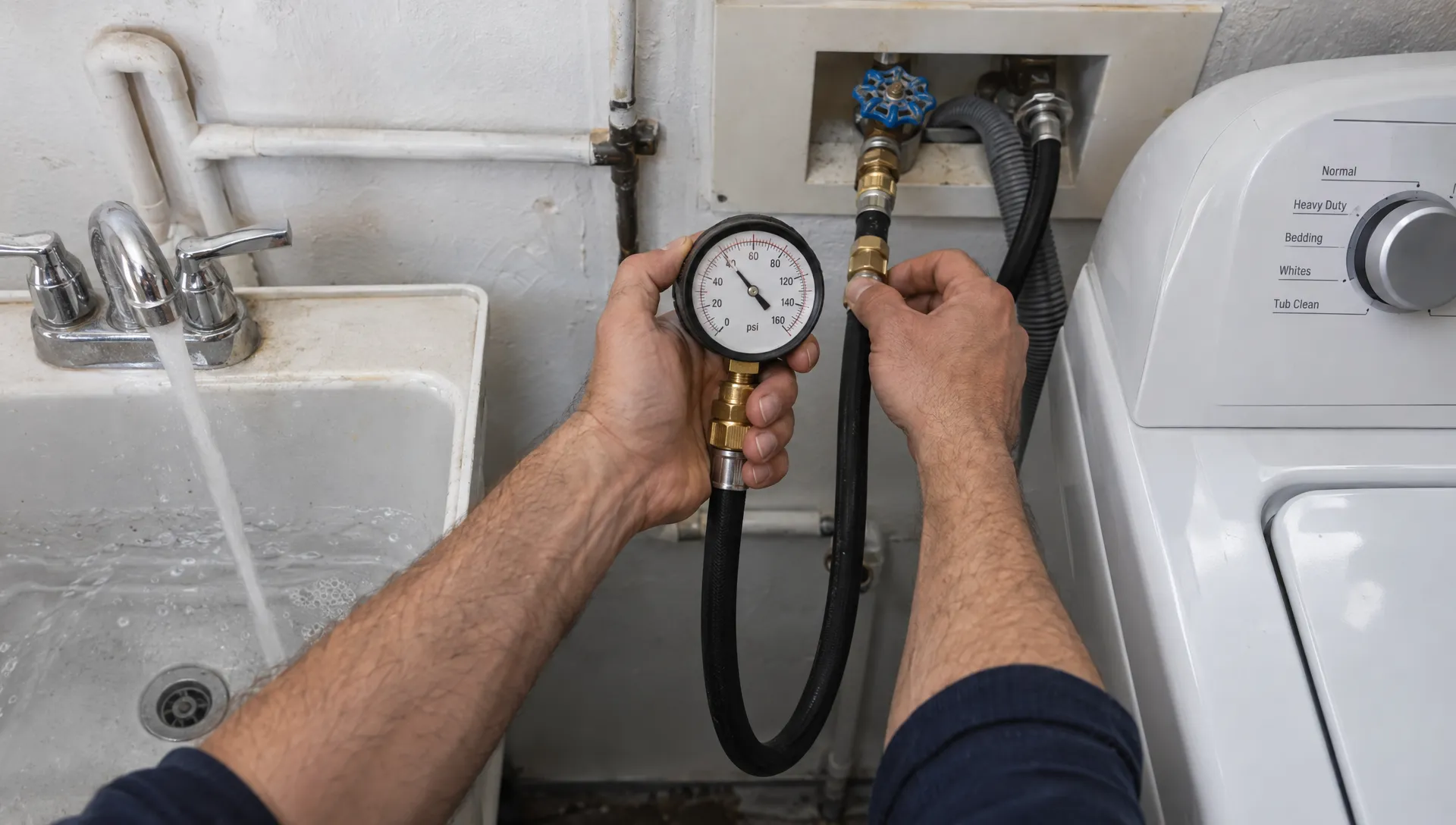
Static pressure is measured when no water is being used. Flowing or dynamic pressure is measured while water is running. A substantial drop under demand can point toward a restriction or inadequate delivery capacity, even when the static reading looks reasonable.
A useful testing sequence is:
- Choose the correct connection: Use an accessible, suitable hose connection and confirm whether it is upstream or downstream of the home’s regulator.
- Measure with fixtures off: Record the static reading while accounting for automatic water users such as irrigation and ice makers.
- Introduce demand: Run a fixture, then another, and record the pressure changes.
- Compare locations: Where accessible test points permit, compare readings across suspected restrictions.
- Document the results: Keep the readings, operating conditions and gauge locations with the estimate.
Many homes operate comfortably around 40 to 60 psi, but that range is not a universal specification. Elevation, equipment requirements and utility conditions matter. Readings above 80 psi warrant professional assessment for pressure regulation, not further adjustment upward.
These measurements help distinguish plumbing solutions that restore delivery from changes that merely mask a restriction. Do not turn a regulator adjustment screw blindly or operate utility-owned valves.
Check for Leaks Before Adding Pressure
An unexplained increase in water use, damp ground, running-water sounds or a meter that moves during a no-use period deserves investigation.
The EPA’s household leak-check guidance recommends comparing meter readings before and after a two-hour period when no water is used. Account for automatic equipment, irrigation and toilets so normal consumption does not confuse the result.
Meter movement does not identify the leak’s location, and a stationary meter does not explain every pressure problem. A plumber may need isolation testing or leak detection to narrow the cause. If there is active flooding or evidence of a significant break, skip the observation period and seek immediate assistance.
What a Repair Recommendation Should Prove
Good plumbing solutions connect a measured problem to a specific repair. Ask the contractor to explain what failed, how the proposed work addresses it and how performance will be checked afterward.
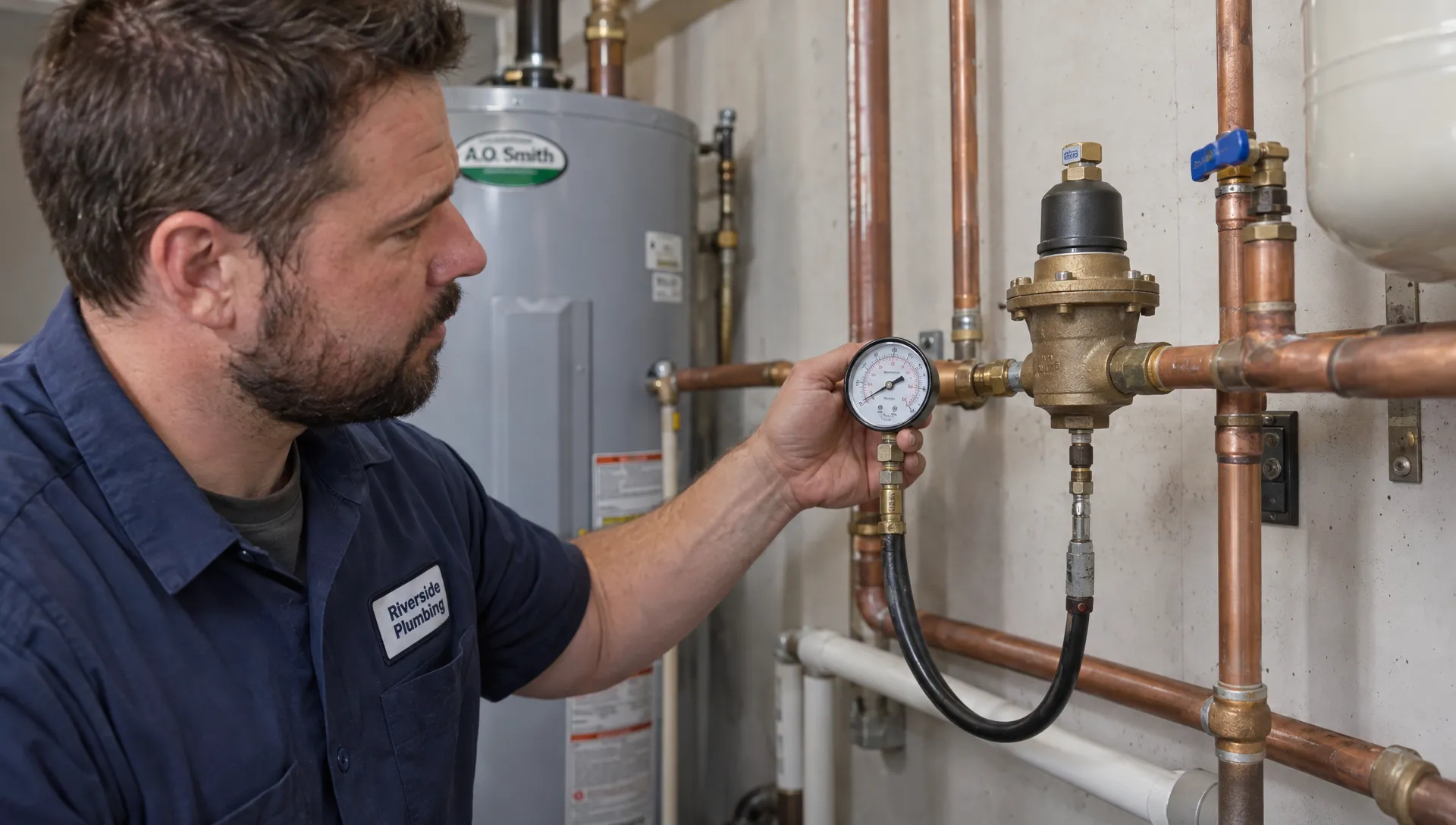
For a suspected regulator problem, that may mean comparing pressure before and after the regulator and observing its response under demand. For a suspected filter restriction, it means checking the pressure difference across the equipment, not simply replacing cartridges repeatedly.
A service-line repair should be supported by evidence of leakage or restriction. If repiping is proposed, ask which pipe sections are affected and why a smaller repair would not be sufficient.
Drain cleaning and hydro jetting address wastewater piping, not incoming water pressure. They may solve a separate drainage problem, but they are not remedies for a restricted pressurized supply line.
Agree on the completion test before work begins. A stronger stream at one faucet is encouraging; repeat pressure and flow checks under the original problem conditions provide a better comparison.
Separate Water Treatment From Pipe Repair
Filtration and softening serve different purposes, and neither automatically restores existing pipe capacity. A softener reduces hardness-related minerals, but installing one does not guarantee that established deposits inside old piping will disappear.
Treatment equipment can itself restrict flow if it is undersized, clogged or malfunctioning. Have the plumber check its service requirements and capacity against household demand. Any temporary bypass testing should follow the equipment’s instructions and account for water-quality requirements.
If piping is severely corroded or internally restricted, replacement may be appropriate. The estimate should identify the affected material, replacement scope and access work. Choosing between localized repair and repiping should depend on the condition of the system, not its age alone.
Consider a Booster Only After Confirming the Supply Problem
A booster pump can be appropriate when available incoming pressure is genuinely inadequate and the existing supply arrangement can support a properly designed system. It is not the first purchase to make after noticing a weak shower.
Before recommending one, the plumber should evaluate incoming pressure, available flow, elevation and simultaneous demand. The design may also need to address utility rules, backflow protection, electrical work, noise and permit requirements. Directly increasing suction on a public supply connection can create problems, so compatibility must be confirmed.
Commercial premises need an equipment-specific assessment too. A dental clinic such as Metro Dental in Melbourne illustrates a setting where requirements for any water-fed treatment equipment should be confirmed with its supplier or service technician. Household pressure guidance is not an equipment specification.
For homes and businesses alike, pump-based plumbing solutions should come with a design explanation, operating requirements and a clear account of ongoing maintenance.
Compare Estimates by Diagnosis and Scope
The cheapest proposal is not necessarily the least expensive repair if it leaves the restriction unresolved. Compare estimates that address the same demonstrated cause and include the same completion tests.
A useful written proposal should identify:
- Diagnostic findings: Pressure readings, affected fixtures and evidence supporting the recommended repair.
- Work scope: Components being repaired or replaced, access requirements and responsibility for surface restoration.
- Total charges: Diagnostic fees, labor, materials, permits where applicable and any after-hours charges.
- Completion and warranty terms: Post-repair testing, workmanship coverage, parts coverage and callback conditions.
For California work, use the CSLB license-check tool to verify the contractor’s license status and appropriate classification. Plumbing contractors commonly hold the C-36 classification. Request evidence of applicable insurance as well.
Ask about diagnostic charges even when estimates are advertised as free. An estimate and a hands-on investigation may have different terms. Confirm whether a diagnostic fee is credited toward approved work rather than assuming it is.
Warranty language also deserves a close look. Our explanation of what plumbing repair warranties should cover can help you compare labor coverage, exclusions and callback charges without treating every written warranty as equivalent.
When Low Pressure Needs Urgent Attention
A longstanding weak faucet usually calls for a scheduled inspection. A sudden whole-house pressure loss accompanied by flooding, wet flooring, unusually damp ground or running-water sounds needs faster action.
Emergency plumbing solutions should prioritize stopping damage and identifying the failure. If you suspect a major leak and can safely operate your property’s main shutoff, close it. Do not force a seized valve or enter standing water near electrical equipment.
If pressure disappears without evidence of a property leak, check with the water provider. Follow any official water-quality or boil-water notice; a plumbing repair alone does not resolve a utility advisory. For emergency service, confirm current availability, arrival expectations and call-out charges when you call.
Frequently Asked Questions
Can a different showerhead fix low pressure? Cleaning or replacing a restricted showerhead can improve delivery at that shower. It cannot increase the pressure supplied to the house or repair a restriction elsewhere.
Should I adjust the pressure regulator myself? Avoid adjusting it without reliable measurements and knowledge of the system. Excessive pressure can stress fixtures and appliances, and a failing regulator may not respond predictably to adjustment.
Does persistent low pressure mean the house needs repiping? No. Plumbing solutions can range from cleaning an aerator to repairing a regulator or service line. Repiping should follow evidence of widespread deterioration or restriction, not a pressure complaint alone.
Can a plumber guarantee one pressure reading throughout the house? Pressure varies with elevation and water demand. Ask for acceptable performance at the affected fixtures under realistic simultaneous use, supported by recorded tests rather than one isolated gauge reading.
Arrange a Focused Low-Pressure Assessment
Hydro Hero Plumbing serves Chula Vista and San Diego County with residential and commercial plumbing services, including leak detection, water-line repairs and water-heater service. Call (619) 289-0874 or contact Hydro Hero Plumbing to discuss the symptoms, request a free estimate and confirm any diagnostic charges before the visit.
Isaac Cruz
Owner & Master Plumber | C-36 Licensed | 20+ Years Experience
Isaac Cruz is the owner and founder of Hydro Hero Plumbing. A second-generation plumber with over 20 years of hands-on experience in Chula Vista and San Diego County, Isaac holds an active C-36 California plumbing contractor license and has personally overseen thousands of plumbing jobs throughout the South Bay. He started Hydro Hero Plumbing with one goal: to give Chula Vista homeowners an honest, reliable local plumber they could actually trust.
Call Isaac's Team: (619) 289-0874Need a Plumber in Chula Vista?
Licensed C-36, owner-operated, and upfront pricing on every job. Same-day service across Chula Vista and San Diego County.
Call (619) 289-0874